Water damage restoration in Lakewood, CO from one local team: assessment, cleanup, drying and the repairs that follow, for homes and businesses across Lakewood and Jefferson County.
Built for older homesMid-century plumbing and materials
Storm and flood readyBear Creek to the foothills
One team, start to finishCleanup, drying and repairs
Water damage repair and restoration built around how Lakewood is actually built
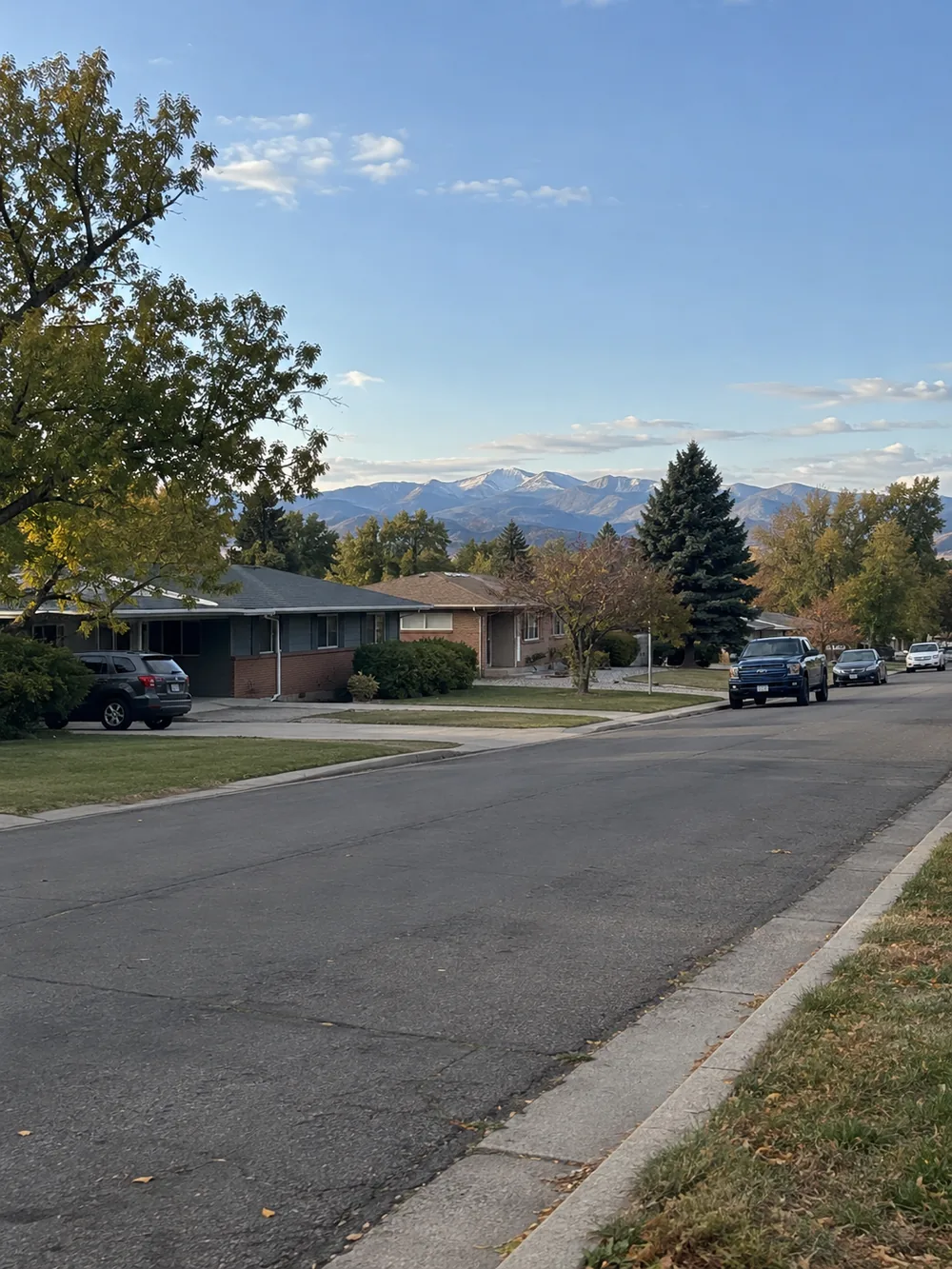
Where Lakewood sits, between the Rockies and the plains, shapes the water problems we see every week. Water damage restoration in Lakewood means knowing the local causes: the gulches that funnel runoff into neighborhoods in heavy rain, and a housing stock where roughly 57% of homes predate 1980, with the older supply lines and weaker waterproofing that brings.
That local knowledge is why our assessments are accurate on day one and why our repairs match what's already there rather than patching over it.
Thorough assessment before any work startsMoisture mapping and thermal imaging find water behind walls and under floors, so the scope of repairs is right from the first visit.
One team manages the whole jobExtraction, structural drying and reconstruction handled together. No hand-offs between contractors, no finger-pointing when something slips.
Documentation your insurer needsPhoto documentation, line-item estimates and daily moisture logs as standard, plus direct billing to your insurer.
Mold prevention on every jobEPA guidance puts the window for responding to clean water damage at 24 to 48 hours, so drying and antimicrobial treatment begin the moment extraction is complete.
IICRCWRT, ASD and AMRT certified
Cat 1-3every water category handled
100sof Jefferson County restorations
What we do
Our water damage restoration services in Lakewood
From a slow leak under a kitchen sink to a basement flooded by a failed sump pump, these services cover every scenario Lakewood homeowners and businesses run into.
Water damage cleanup and extraction
Every restoration starts with getting the water out. Truck-mounted pumps and portable extractors clear standing water from basements, crawl spaces and living areas while contents and unaffected rooms are protected.
Residential equipment can't handle the volumes involved. One Lakewood basement job meant removing around 200 gallons from a single burst pipe. Fast water damage cleanup in Lakewood is what keeps mold from getting a foothold in the first 24 to 48 hours.
Structural drying and dehumidification
Extraction leaves moisture in walls, subfloors, framing and ceilings. Industrial air movers and commercial dehumidifiers pull it out, with daily readings from calibrated meters and thermal imaging until every material is verified dry.
Minor jobs take 3 to 5 days. Heavier saturation can run to 14 days depending on the materials. Skipping this step is how warping, rot and hidden mold show up months later.
Water damage repair and reconstruction
Water damage repair in Lakewood starts once drying is verified. Our crew rebuilds what the water destroyed: drywall, insulation, subflooring, flooring, cabinetry, trim and paint, coordinated by the same team that handled the extraction.
Water damage repairs in Lakewood often involve older materials and non-standard construction. Our crews match finishes properly rather than leaving you with a patchwork.
Our flood cleanup handles Category 2 and 3 contamination, the gray and black water that carries bacteria and sewage into a home. That means full sanitization and antimicrobial treatment, not just water removal.
A sewer backup is a health hazard, not a cleaning job. Category 3 water carries pathogens and biological waste that need specialist containment, removal and disposal.
We contain the hazard, remove contaminated flooring and drywall, sanitize to hospital grade and restore the space. One rental in the Eiber neighborhood went from full Category 3 cleanup to a passed health inspection in seven days.
Some water damage can't wait for an appointment. Burst pipes in a January cold snap, an appliance flooding the laundry room or a sump pump sending groundwater into the basement all call for emergency water damage cleanup in Lakewood.
A crew is assigned on your first contact. Emergency water damage repair follows the same process as every other job, so a fast start never means a rushed finish.
Water damage cleanup and extraction
Every restoration starts with getting the water out. Truck-mounted pumps and portable extractors clear standing water from basements, crawl spaces and living areas while contents and unaffected rooms are protected.
Residential equipment can't handle the volumes involved. One Lakewood basement job meant removing around 200 gallons from a single burst pipe. Fast water damage cleanup in Lakewood is what keeps mold from getting a foothold in the first 24 to 48 hours.
Truck-mounted and portable extraction
Contents moved and protected
Category 1 to 3 water handled
Antimicrobial treatment applied
Structural drying and dehumidification
Extraction leaves moisture in walls, subfloors, framing and ceilings. Industrial air movers and commercial dehumidifiers pull it out, with daily readings from calibrated meters and thermal imaging until every material is verified dry.
Minor jobs take 3 to 5 days. Heavier saturation can run to 14 days depending on the materials. Skipping this step is how warping, rot and hidden mold show up months later.
Air movers and LGR dehumidifiers
Daily moisture logging
Thermal imaging for hidden water
Verified dry before repairs begin
Water damage repair and reconstruction
Water damage repair in Lakewood starts once drying is verified. Our crew rebuilds what the water destroyed: drywall, insulation, subflooring, flooring, cabinetry, trim and paint, coordinated by the same team that handled the extraction.
Water damage repairs in Lakewood often involve older materials and non-standard construction. Our crews match finishes properly rather than leaving you with a patchwork.
Our flood cleanup handles Category 2 and 3 contamination, the gray and black water that carries bacteria and sewage into a home. That means full sanitization and antimicrobial treatment, not just water removal.
A sewer backup is a health hazard, not a cleaning job. Category 3 water carries pathogens and biological waste that need specialist containment, removal and disposal.
We contain the hazard, remove contaminated flooring and drywall, sanitize to hospital grade and restore the space. One rental in the Eiber neighborhood went from full Category 3 cleanup to a passed health inspection in seven days.
Some water damage can't wait for an appointment. Burst pipes in a January cold snap, an appliance flooding the laundry room or a sump pump sending groundwater into the basement all call for emergency water damage cleanup in Lakewood.
A crew is assigned on your first contact. Emergency water damage repair follows the same process as every other job, so a fast start never means a rushed finish.
Active leak you cannot stop
Standing water in a living area
Any sewage backup
Water near electrics
Three stages, one team
Here's what happens from the moment you get in touch to the day the last coat of paint goes on.
1
Assessment and documentation
We map every affected area before any work begins. Moisture mapping and thermal imaging pick up water hidden behind walls and under flooring, not just the damage you can see. Everything is photographed and logged before cleanup starts, in the format your insurance company needs to process the claim.
2
Water cleanup and mitigation
We stop the water, remove it and protect what's left. That means isolating the source, extracting standing water with truck-mounted and portable units, and moving contents out of harm's way. Drying equipment and antimicrobial treatment go in the same day. If it's safe, turning off power to the affected area before we arrive is worth doing.
3
Repair and reconstruction
Repairs begin only after final moisture readings confirm every material is dry. From there we replace drywall, flooring, cabinetry and finishes, and restore every salvageable item we can. Your property is returned to its pre-damage condition and all completed work is covered by our warranty.
For businesses
Commercial water damage restoration in Lakewood
When water hits a retail unit, office or hotel, revenue stops and liability climbs by the hour. Our commercial work gets you open again with the least disruption: large-loss capability, pack-out, after-hours scheduling and direct insurance billing.
Water damage here has a few local signatures. Knowing them is how we spot problems before they turn into losses.
Gulches and floodplains
Lakewood Gulch, Lena Gulch and North Dry Gulch funnel stormwater from the foothills straight through residential streets. Drainage along West Colfax was never sized for a large storm, and more than 100 structures sit inside the 100-year floodplain along North Dry Gulch alone.
Mid-century plumbing
More than half of Lakewood's homes predate 1980. Galvanized supply lines, original water heaters and basement waterproofing from that era are the most common sources of the damage we repair.
Front Range winters
Freeze-thaw cycles work on pipes every year, and a burst line during a cold snap can put hundreds of gallons into a basement before anyone notices. Spring melt then tests sump pumps and grading.
From our customers
What Lakewood homeowners say
A pipe in our crawl space let go on a Sunday night and by Monday afternoon the water was out and the fans were running. They dealt with our insurance adjuster directly, which took a huge weight off.Kendrick Lake, burst pipe
The July storm sent water through the window wells and into the basement. They found moisture behind two walls we thought were fine, dried everything properly and matched the drywall texture so you'd never know.Bear Creek, storm flooding
Our shop had a roof drain fail over a long weekend. They worked overnight so we could open again on the Tuesday, and the paperwork they sent got our claim approved without a single question.Belmar, commercial
Where we work
Areas we serve in Lakewood
Every Lakewood neighborhood, plus the surrounding communities across Jefferson County and into West Denver.
Belmar and Downtown Lakewoodretail, mixed-use and apartments
Bear Creek corridorflood-prone streets near Bear Creek Lake Park
Green Mountain and the Foothillshomes exposed to runoff from higher ground
Kendrick Lake and Carmodyolder neighborhoods with mid-century plumbing
Eiber and West Colfaxstreets affected by North Dry Gulch drainage
Applewood, Lasley and Molholmnorth and central Lakewood
Villa Italia and Lakewood Centercommercial and residential
Morrison and Red Rocks sidesouth-west Lakewood and the adjacent foothills
Water damage restoration in Lakewood: your questions answered
How quickly can you respond to water damage in Lakewood?
Estimate requests come in through the form and a crew is assigned on your first contact.
For non-emergency repair work we'll book an assessment at a time that suits you. Active leaks, flooding and sewage backups are treated as emergencies and prioritized. Either way, getting started inside the first 24 hours limits secondary damage and keeps repair costs down.
Does Colorado homeowners insurance cover water damage?
Usually yes for sudden damage, usually no for floods. Most Colorado homeowner's policies cover broken pipes, appliance failures and accidental discharges. Standard policies generally do not cover flood losses.
Flood damage typically needs separate cover through the National Flood Insurance Program (NFIP), which matters for properties near Bear Creek or inside mapped floodplains. Contact your insurer promptly after discovering damage. We supply photos, moisture logs and line-item estimates for the claim, and bill your insurer directly. More on what Colorado policies cover.
Why do Denver-area homes get so much water damage?
Three things: flood-prone drainages, aging housing and Front Range winters.
The gulches that drain the foothills into the metro area have flooded repeatedly over 150 years. A large share of the housing west of Denver was built before 1980, so aging supply lines and weaker waterproofing are common. Freeze-thaw cycles stress plumbing every winter, and summer storms drive intense runoff through neighborhoods whose drainage was never sized for it.
What does water damage repair typically involve?
It depends how far the water traveled and what it reached. Minor incidents may only need drying and a small drywall patch. Larger losses can mean replacing subfloors, insulation, cabinetry and whole rooms of flooring.
The assessment on the first visit sets out exactly what has to be removed, dried and rebuilt, and that scope goes straight into your insurance documentation.
How do you stop mold after water damage?
Mold prevention starts during extraction, because EPA guidance puts the response window for clean water damage at 24 to 48 hours.
Industrial dehumidifiers bring relative humidity below 60%, antimicrobial treatment goes on every affected surface, and daily moisture readings continue until materials reach verified safe levels. We also schedule a follow-up check after completion. If mold has already taken hold, our AMRT-certified technicians handle remediation and removal.
Is the estimate really free?
Yes. The initial assessment and written estimate cost nothing and carry no obligation. You get a clear scope and price before any work begins, and the same document can go straight to your insurer.
Do you cover Denver as well as Lakewood?
Yes. Lakewood is our base, and we cover the surrounding Jefferson County towns and the west side of Denver on the same terms. The service areas page lists every neighborhood, and a zip code on the estimate form gets you a straight answer either way.
Get water damage restoration in Lakewood, CO
The sooner restoration starts, the less it costs and the less of your property you lose. Slow leak, flooded basement, storm damage or sewage backup, our team handles the whole process: cleanup, drying, mold remediation, repairs and full reconstruction.